
Education & Brain Health
Intergenerational work is health work, too.
Our work creates room for companionship, Alzheimer’s and dementia awareness, lupus awareness, family education, and community action. Education turns care into confidence.
& Action.
Understanding Cognitive Health
What every volunteer should know about Alzheimer's & dementia.
Dementia is not a normal part of aging. It is an umbrella term for loss of memory, language, problem-solving, and other thinking abilities severe enough to interfere with daily life.
Alzheimer's Disease
Accounting for 60–80% of dementia cases, Alzheimer's involves the accumulation of amyloid plaques and neurofibrillary tau tangles, disrupting synaptic communication between neurons.
Emotional Memory Remains
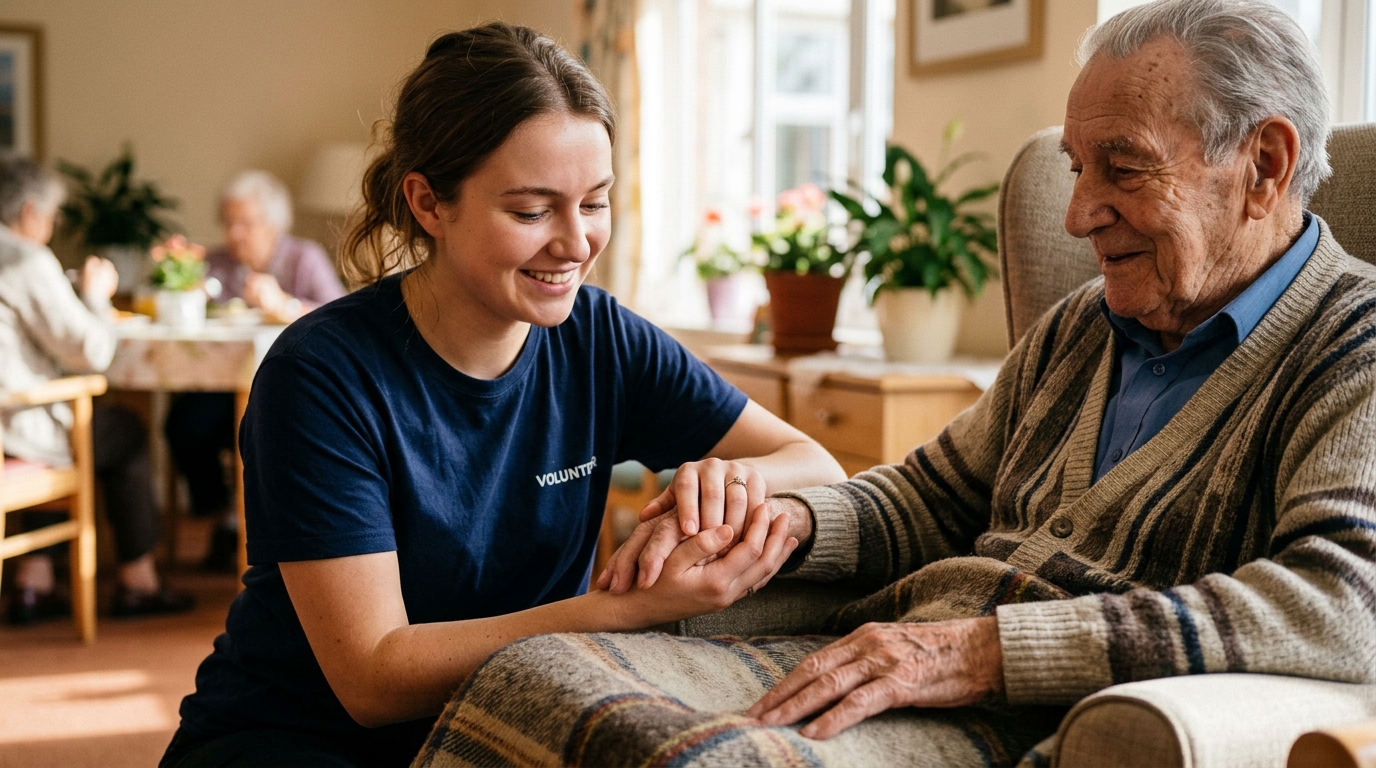
Even as short-term factual memory fades, emotional memory and musical appreciation remain remarkably intact. Seniors feel the genuine warmth, sincerity, and presence of a volunteer long after words are spoken.
Combating Isolation
Social engagement and regular cognitive stimulation are clinically proven to slow cognitive decline, reduce depression in seniors, and enhance quality of life in assisted living communities.
Deterministic vs. Risk Genes
While age and family history increase vulnerability, less than 1% of Alzheimer's cases are caused by deterministic genes. Lifestyle, head injury history, and cardiovascular health also strongly influence long-term risk.
Suvorexant (Belsomra)
Approved for the treatment of insomnia in patients with Alzheimer's and dementia. It functions by temporarily blocking orexin chemical messengers responsible for the brain's sleep-wake cycle.
Brexpiprazole (Rexulti)
The first and only atypical antipsychotic approved by the FDA specifically for the treatment of agitation associated with dementia due to Alzheimer’s disease, targeting dopamine and serotonin pathways.
Global Perspectives & International Research
Traditional Chinese Medicine & the gut-brain axis (中药).
Understanding Alzheimer's globally is one of Youth & Wisdom’s founding commitments. In June 2024, our student officers conducted field research at hospitals in China to observe how Eastern medical methodologies complement contemporary neurodegenerative care.
While Western medicine focuses heavily on targeted pharmaceutical intervention, Traditional Chinese Medicine (TCM) utilizes a holistic framework (四诊: observation, listening and olfaction, inquiry, and pulse palpation). Recent international investigations highlight the connection between herbal compounds, metabolic regulation, and the microbiota–gut–brain axis.
Practical Visiting Guide
How to connect with memory care residents.
Visiting seniors living with Alzheimer’s requires empathy, presence, and simple adjustments in communication style.
Introduce Yourself Every Time
Approach residents gently from the front, smile, make eye contact at their eye level, and state your name warmly: "Hi, I'm Raymond with Youth & Wisdom." Never ask "Do you remember me?" which causes anxiety.
Validate, Don't Correct
If a resident speaks about an earlier decade as if it is happening right now, enter their reality. Agree with their feeling and ask questions about the people and memories they hold dear.
Music & Hands-On Activities
Music, coloring books, folding towels, checkers, and photo albums bypass verbal hurdles and tap directly into joy. Many non-verbal residents will hum, sing, or tap their feet to familiar songs.
Chronic Disease Advocacy
Why Lupus is part of our cause.
Health advocacy is personal and connected to the families we serve. Systemic Lupus Erythematosus (SLE) is an unpredictable autoimmune condition affecting millions worldwide, predominantly impacting women and young adults of diverse backgrounds.
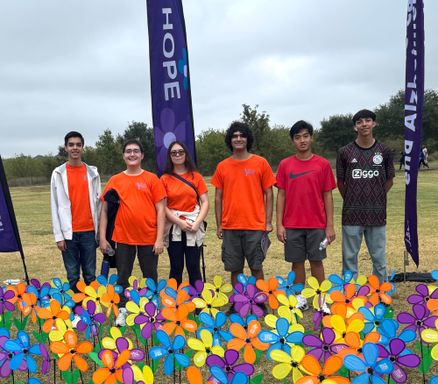
Youth & Wisdom participates annually in the Walk to End Lupus, raising hundreds of dollars and broadening awareness. Understanding how chronic illnesses affect families across generations makes us more attentive, compassionate caregivers.
Trusted Organizations